The End of the Annual Redesign
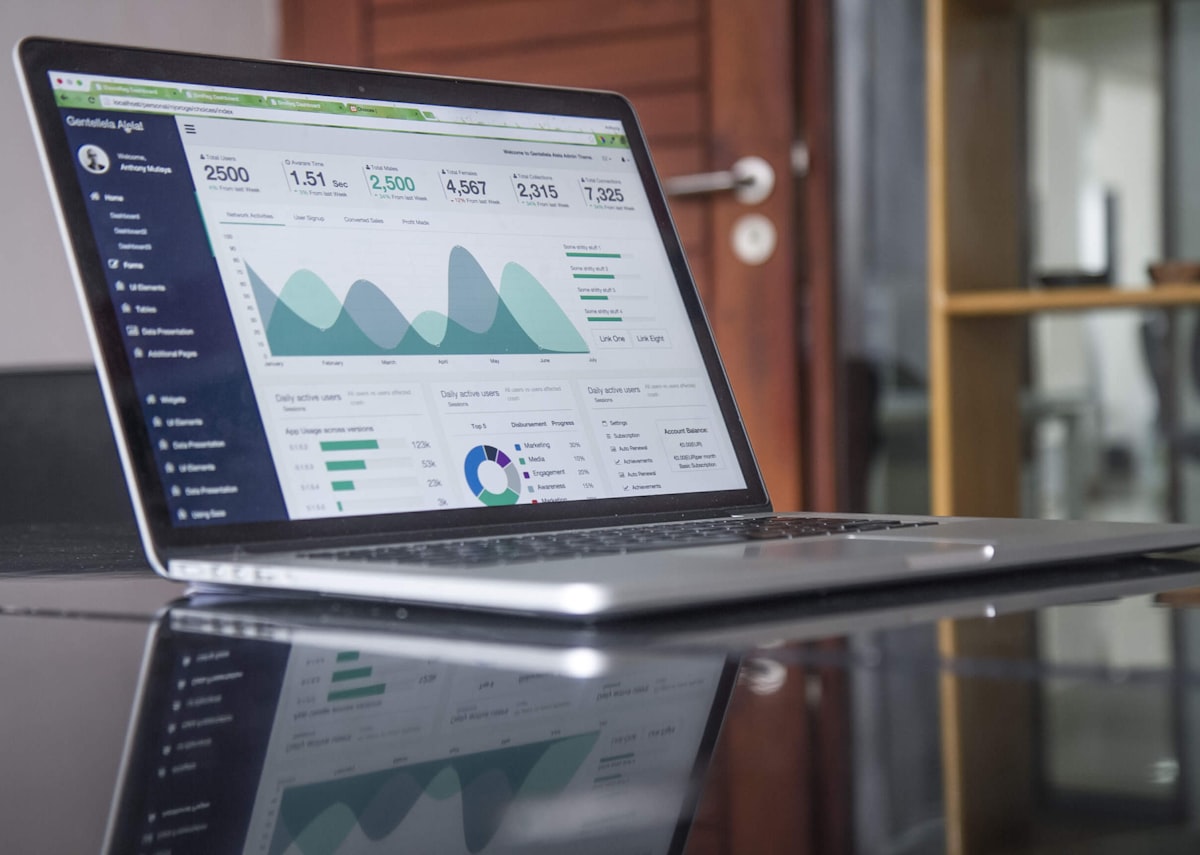
The three-year redesign cycle was never a technology problem. It was an operational one. Continuous improvement is not a philosophy. It is a delivery model. Here is what it looks like in practice.
The Redesign Cycle Is Broken
Every three to five years, organisations commission a major website redesign. The brief is always some version of "modernise the platform, improve the user experience, consolidate the technical debt." The agency delivers. Everyone celebrates. Then the slow decline begins. Small compromises accumulate. Content drifts from the design intent. Performance degrades. Accessibility regresses. Within eighteen months the conversation starts again: "We need a redesign."
Why Continuous Improvement Is Different
Continuous improvement is not the same as ongoing support. Support is reactive. Someone reports a bug, you fix it. Continuous improvement is proactive. It means reviewing analytics every month and translating findings into prioritised enhancements. It means running accessibility audits on a schedule, not before a compliance deadline. It means optimising page speed as browsers and devices evolve, not as a one-off project. The website is a product, not a project. It has a backlog, a cadence and a team.
The Run, Improve, Govern Model
We structure this around three interlocking activities. Run covers the operational basics: monitoring, patching, security updates, performance management. Improve is the proactive layer: user journey optimisation, content improvements, new feature development, all prioritised by impact. Govern provides the discipline: monthly reporting, quarterly roadmap reviews, backlog prioritisation. Together these three activities mean the website gets measurably better every month. Not every three years. Every month.
What This Means for Your Budget
The total cost of continuous improvement is typically lower than the boom-and-bust redesign cycle. Instead of a large capital outlay every few years (with diminishing returns between cycles), you invest a steady operational budget that delivers compounding value. Your platform never falls behind. Your team never has to manage a painful migration. Your users never have to relearn an interface that changed overnight. The economics are better. The outcomes are better. The experience is better.